


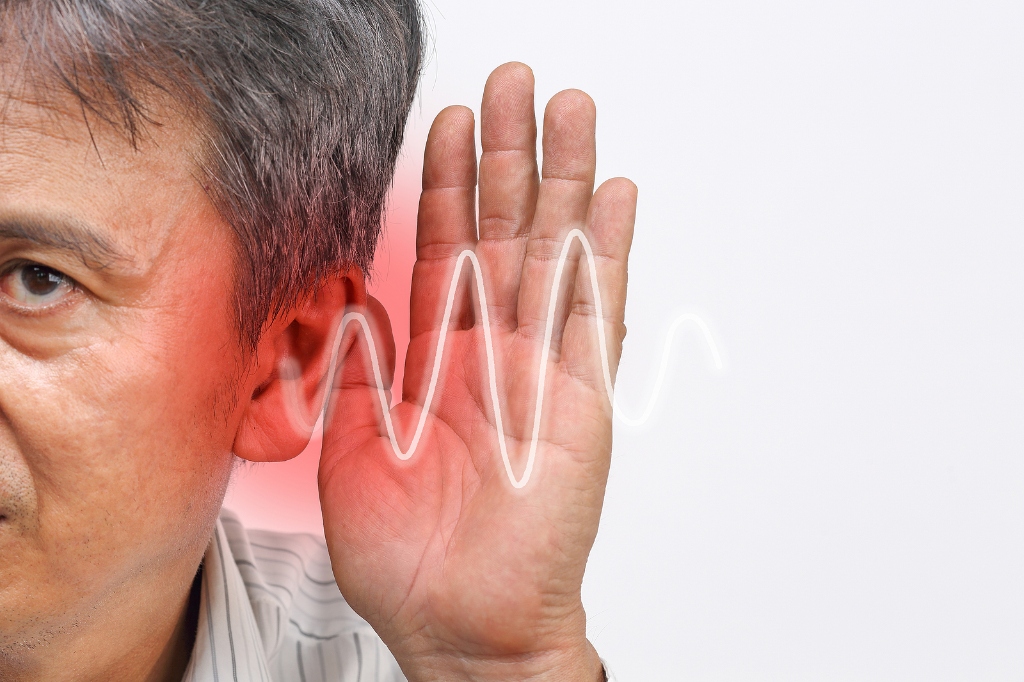
Understanding Hearing Loss in Newborns: The Importance of Neonatal Screening
Detecting hearing impairment in newborn babies at an early stage is critical for their language, speech, and cognitive development. A child's brain is wired to learn language from the moment they are born. If a newborn has undetected hearing loss, they miss out on critical auditory input, which can lead to severe and often permanent delays in speech acquisition.
According to clinical studies, roughly 1 to 3 babies out of every 1,000 are born with some degree of hearing loss. Fortunately, modern medical technology allows us to screen babies within the first few days of life, even before they leave the hospital.
How is Neonatal Screening Performed?
Neonatal hearing screening is completely painless, safe, and takes only a few minutes. Most screenings are done when the baby is asleep or quiet. We utilize two primary methods:
- Otoacoustic Emissions (OAE): A tiny probe is placed inside the baby's ear canal. It plays quiet sounds and measures the echo response generated by the healthy outer hair cells in the cochlea.
- Automated Auditory Brainstem Response (AABR): Sensors are placed on the baby's head to measure how the hearing nerve and brain respond to sounds played through soft earphones.
The Golden Standard: Early Detection
The universal clinical guideline is the 1-3-6 rule:
- Screening by 1 month of age.
- Diagnosis of any hearing loss by 3 months of age.
- Intervention (hearing aids, therapy, cochlear implants) initiated by 6 months of age.
At Cure Well Clinic, we are equipped with the latest diagnostic tools to conduct infant hearing screenings safely and accurately, ensuring that any challenges are identified early so that your child can develop communication skills just like their peers.


This is highly informative, Doctor! We got our daughter tested at your clinic when she was just two weeks old. The process was completely painless, and we're so glad we did it early.